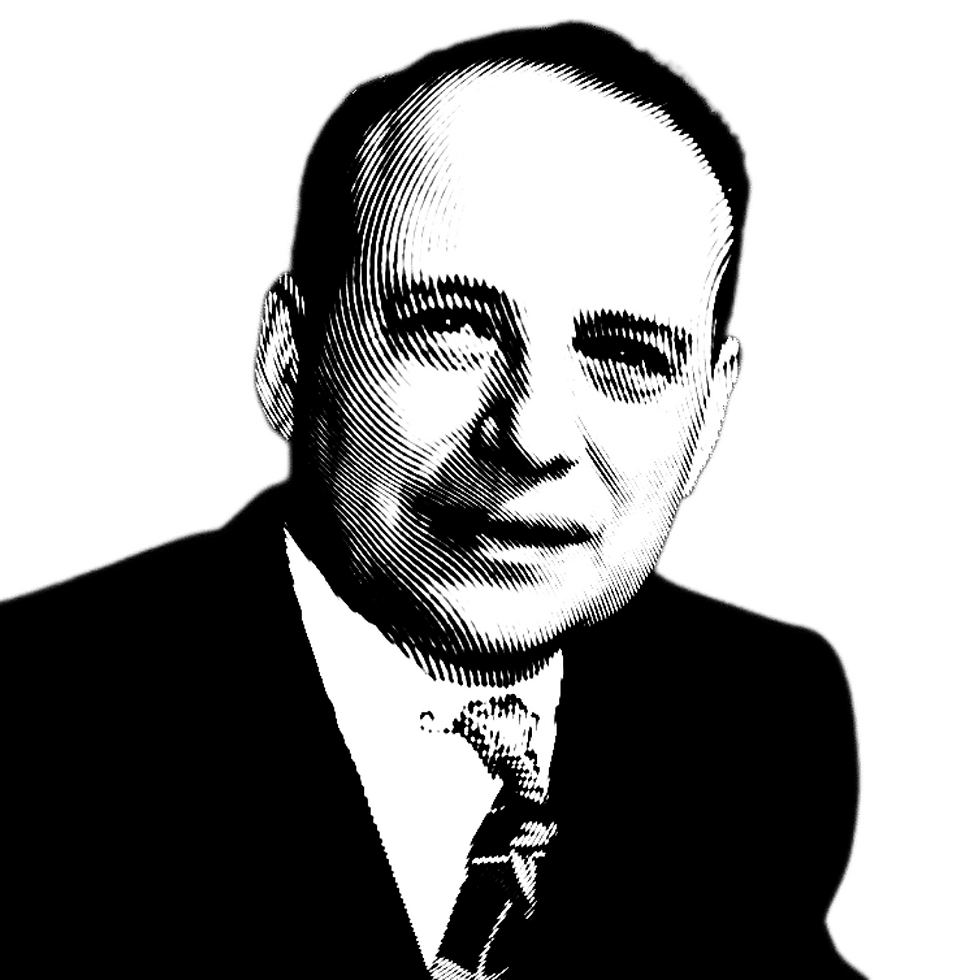
Warren Buffett - This is why you should ignore political and economic predictions
- Marek Hruby
- Aug 16, 2024
- 3 min read
Updated: Aug 18, 2024
Key takeaways at the end
""
We will continue to ignore political and economic forecasts, which are an expensive distraction for many investors and businessmen. Thirty years ago, no one could have foreseen the huge expansion of the Vietnam War, wage and price controls, two oil shocks, the resignation of a president, the dissolution of the Soviet Union, a one-day drop in the Dow of 508 points, or treasury bill yields fluctuating between 2.8% and 17.4%.
But, surprise – none of these blockbuster events made the slightest dent in Ben Graham's investment principles. Nor did they render unsound the negotiated purchases of fine businesses at sensible prices.
Imagine the cost to us, then, if we had let a fear of unknowns cause us to defer or alter the deployment of capital. Indeed, we have usually made our best purchases when apprehensions about some macro event were at a peak. Fear is the foe of the faddist, but the friend of the fundamentalist.
A different set of major shocks is sure to occur in the next 30 years. We will neither try to predict these nor to profit from them. If we can identify businesses similar to those we have purchased in the past, external surprises will have little effect on our long-term results.
1994 Shareholder Letter
...
In the 54 years we have worked together [with Charlie Munger], we have never foregone an attractive purchase because of the macro or political environment, or the views of other people. In fact, these subjects never come up when we make decisions. [...]
Forming macro opinions or listening to the macro or market predictions of others is a waste of time. Indeed, it is dangerous because it may blur your vision of the facts that are truly important. (When I hear TV commentators glibly opine on what the market will do next, I am reminded of Mickey Mantle’s scathing comment: “You don’t know how easy this game is until you get into that broadcasting booth.”)
2013 Shareholder Letter
...
No advisor, economist, or TV commentator – and definitely not Charlie nor I – can tell you when chaos will occur. Market forecasters will fill your ear but will never fill your wallet.
2014 Shareholder Letter
...
Charlie and I believe it’s a terrible mistake to try to dance in and out of it based upon the turn of tarot cards, the predictions of “experts,” or the ebb and flow of business activity. The risks of being out of the game are huge compared to the risks of being in it.
2012 Shareholder Letter
We try to price, rather than time, purchases. In our view, it is folly to forego buying shares in an outstanding business whose long-term future is predictable, because of short-term worries about an economy or a stock market that we know to be unpredictable. Why scrap an informed decision because of an uninformed guess?
1994 Shareholder Letter
* Bold emphasis added
""
Key concepts and takeaways:
Macro forecasts waste your time: Trying to predict macro events in today’s complex geopolitical and macroeconomic environment is distracting you from fundamental analysis. More importantly, very few people, if any, anticipated those events that really mattered and had a material impact on general price levels (sometimes referred to as “Black Swan” events, e.g. 2001, 2008, or 2020). Yet there are many people trying to fill your ear (and their wallet) by forecasting short- and near-term market movements and by picking “winners” for the next period.
Don’t anticipate, be ready: Buffett’s point is that even those Black Swan events should not fundamentally change your investment decision process. You just need be ready and act (if you want) when they occur. You need to know the price at which you want to increase stakes in your current portfolio companies or to purchase new stocks.